
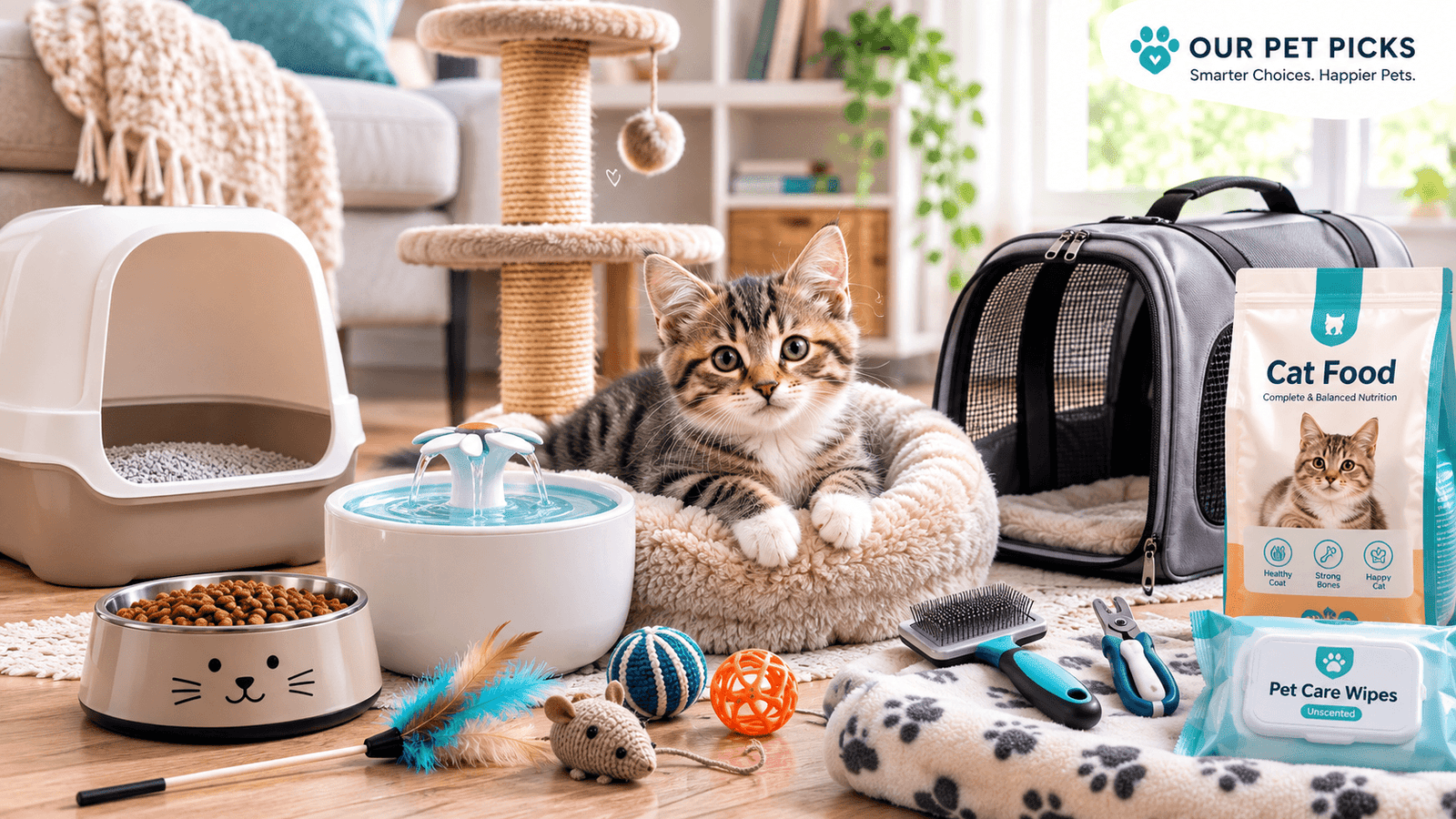
Best Cat Supplies: Must-Have Essentials for New Owners
What are the best cat supplies for new pet owners?
Welcoming a new cat into your home is exciting. It brings joy and daily care.
Choosing the best cat supplies helps your cat stay comfortable and happy. From food bowls to soft beds, each item matters.
New pet owners often ask where to start. The choices can feel highly consequential.
This guide covers cat care essentials and must-have cat supplies. It also shares product ideas that can help you build a safe, calm home.
Let’s start with the basics.
Cat Care Essentials: Must-Have Cat Supplies
Keeping your cat healthy starts with the right cat care essentials. These items support daily care.
Use sturdy food and water bowls that are easy to wash. Stainless steel or ceramic works well.
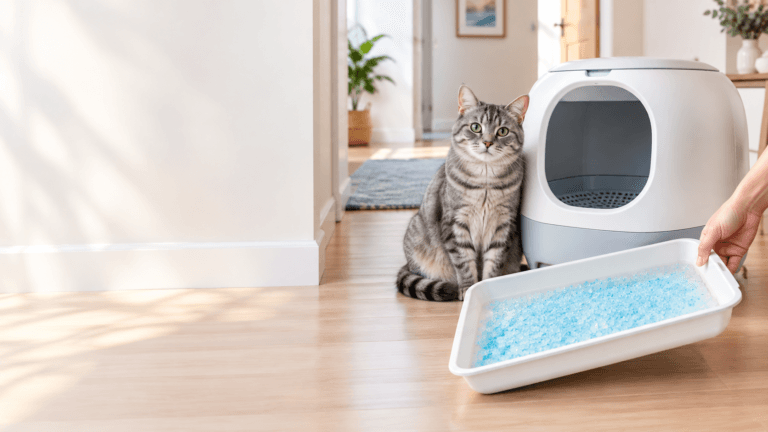
A litter box is a must for indoor cats. Pick one that fits your space and is easy for your cat to reach.
Comfort matters too. A soft bed gives your cat a warm place to rest and feel safe. A pick like the Best Pet Supplies soft bed for dogs and cats can work if it fits your cat’s size.
To sum up the basics:
- Food and water bowls
- Litter box
- Comfortable cat bed

These basics give your cat a strong start. Every cat is different, so watch what your cat likes and adjust over time.
You can also add natural products when they fit your routine. They can be safe and better for the planet, which supports good pet care.
Feeding Your Cat: Bowls, Food, and Water Fountains
Feeding your cat well supports health. Start with sturdy bowls. Ceramic or stainless steel bowls are durable and easy to clean.
Choose food that fits your cat’s age, health, and diet. If you are unsure, ask your vet. See our First-Time Cat Owner’s Guide to Cat Obligate-Carnivore Nutrition.
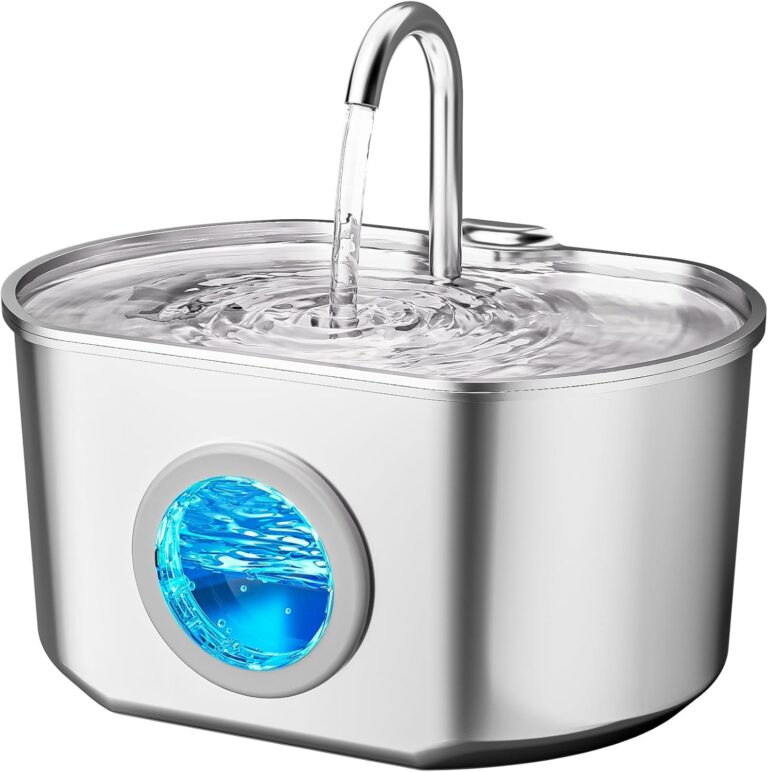
Many cats do not like still water. A water fountain can help them drink more and stay hydrated. Moving water also stays fresh longer. If you’re considering a fountain, see our Stainless Steel Cat Water Fountain review for a closer look at one option.
Here’s what to look for:
- Durable food and water bowls
- High-quality, age-appropriate food
- A cat-friendly water fountain

Keep the feeding area clean. Wash bowls daily and refill the water each day. These habits help your cat stay healthy and happy.Watch how your cat eats and adjust as needed. If you’re looking for an automated feeding option, see our PETLIBRO Automatic Cat Feeder review.
Litter Boxes and Cleaning Supplies
Choose a litter box that gives your cat room to turn and dig. Higher sides can keep litter inside.
Litter type matters too. Clumping, non-clumping, and natural options like pine or paper can all work. Try a few and see what fits.If you’re considering an automated option, our PetSafe ScoopFree Crystal Pro Legacy Automatic Self-Cleaning Litter Box Review
looks more closely at that category.
Clean the box often. Use pet-safe cleaning supplies, such as Best Pet Supplies unscented cat and dog cleaning wipes, to help cut odors and reduce irritation.
Here’s what you need for litter care:
- Spacious litter box
- Preferred type of litter
- Pet-safe cleaning supplies

Place the litter box in a quiet, easy-to-reach spot. Cats like privacy. Keep the area clean and low on odor. A steady routine helps prevent accidents.
Comfortable Cat Beds and Resting Spots
Every cat needs a cozy place to nap. A soft bed can be the best spot to rest and feel safe. Choose one that offers comfort and support.
Cats can be picky. Some like a plush pillow. Others want a window perch or hammock. Watch your cat’s habits to find the best fit.
Consider these options:
- A plush cat bed
- A window perch or hammock
- A covered hideaway bed

Along with beds, add more than one rest spot. Blankets or towels in sunny spots can be just as nice. A mix of cozy spots helps your cat relax.
Scratching Posts and Cardboard Cat Scratchers
Cats need to scratch. It helps claw health and marks territory. Scratching posts can protect your furniture and meet that need. To understand more about cat scratching, you need to check out our blog post about cat scratch solutions: Why Your Cat Scratches Everything
A mix of textures helps. Some cats like sisal. Others like carpet or cardboard. Watch your cat to see what it prefers.
Consider these options:
- Sisal-covered scratching posts. See Aidoly 54-Inch Cat Tree Review
- Carpeted scratchers
- Cardboard cat scratchers

Scratching posts come in many shapes, from tall towers to flat pads. This mix keeps your cat busy and suits different scratching styles.
Rotate and replace worn scratchers often to keep interest high. A cardboard option like the Best Pet Supplies Catify Lounger cardboard cat scratcher can also work well.
Giving your cat a place to scratch supports natural behavior and a happier home.
Toys and Enrichment: Keeping Your Cat Entertained
Play is vital for your cat’s health and mood. Interactive toys keep the mind busy and fight boredom. They also add exercise and help with weight control.
Catnip toys are a favorite. Many cats also like a silvervine cat chew toy. A good pick is the Best Pet Supplies natural silvervine cat chew toy jumbo pack.
Consider these toy types:
- Interactive toys
- Catnip-filled toys
- Puzzle feeders

Puzzle feeders give your cat a mental challenge. They copy hunting as cats work for food. These toys are great for indoor cats that need more enrichment.
Rotate toys often to keep interest high. Add new items now and then to spark curiosity. A mix of toys keeps play fresh and helps you bond with your cat.
Grooming and Hygiene: Best Cat Grooming Supplies
Regular grooming keeps your cat neat and supports health. Brushing can cut shedding and reduce mats. Some cats enjoy a gentle brush.

Keeping your cat clean is important. Grooming is also a useful opportunity to regularly check your cat’s coat and skin. If you’re concerned about fleas, see our guide to flea prevention and treatment for cats. Best Pet Supplies’ unscented cat and dog cleaning wipes can help with quick cleanups and daily hygiene. These are especially useful for cats that dislike baths.
Consider these grooming tools:
- Brushes and combs
- Nail clippers
- Cleaning wipes
Routine nail trimming helps stop overgrowth and damage. It also lowers the risk of scratches to you and your furniture. Grooming time can build trust. Choose tools that fit your cat’s size and coat type so each session stays safe and calm.
Safe Travel: Carriers and Harnesses
Traveling with your cat needs safety and comfort. A sturdy carrier is important for vet visits and trips. Pick one with good airflow and a secure lock. see our PetAmi Cat Backpack Carrier Review

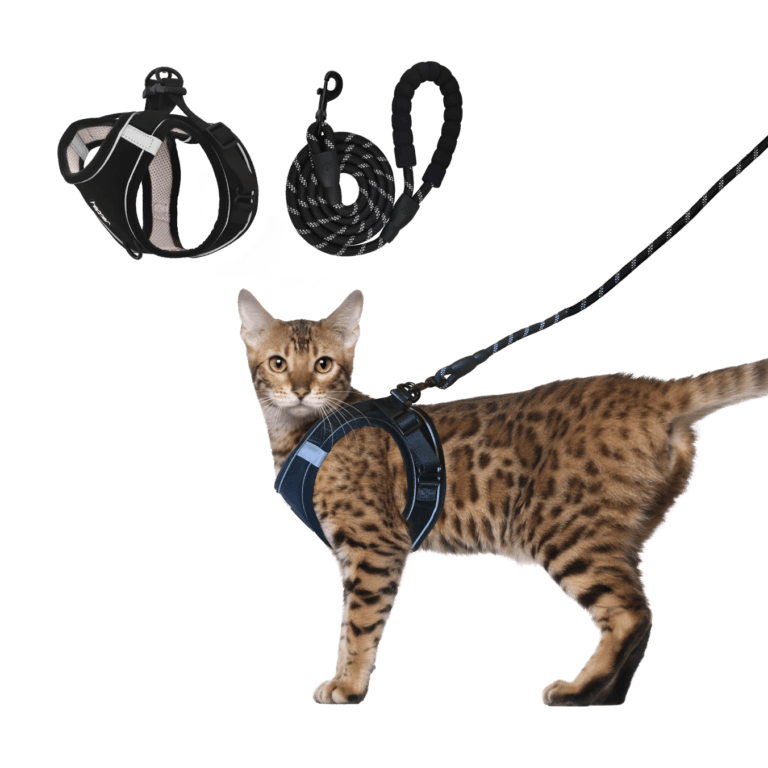
For outdoor trips, a good harness keeps your cat safe. A popular pick is the Best Pet Supplies Voyager step-in lock adjustable cat harness. It offers comfort and helps prevent escapes. Make sure the fit is snug but not tight. If you’re also considering outdoor exploration, see our Hepper Cat Harness and Leash Set review.
Essentials for travel include:
- Durable carrier
- Adjustable harness
- Portable litter box
These items make travel easier for you and your cat.
Health and Wellness: Vet Care and First Aid
Keeping your cat healthy is a top goal for new pet owners. Routine vet visits keep shots and health checks on track. They can also catch problems early.
Be ready for emergencies at home too. A basic first aid kit can help in a pinch. Include bandages and antiseptic wipes. It also helps to learn a few basic pet first aid steps.
Essential health items:
- Regular vet check-ups
- Emergency first aid kit
- Health records and vaccination details
Staying proactive about your cat’s health can lead to a longer, happier life.
Tips for Choosing the Best Cat Supplies
Selecting the best cat supplies means knowing your cat’s needs. Think about age, size, and behavior. Every cat is different, so tailor your picks.
Safety should come first. Make sure products are non-toxic and have no small parts that could be a choking risk. Look for trusted brands with good reviews.
Here are quick tips for choosing wisely:
- Focus on quality over quantity.
- Prioritize safety and non-toxic materials.
- Consider your cat’s preferences and needs.
Rotate supplies now and then to keep things fresh and fun. This can help your cat stay happy and healthy.
Conclusion: Setting Up Your Cat for a Happy Life
Providing the best cat supplies helps your cat thrive. By choosing quality products, you give your new pet a healthy and happy life.
Check your cat’s mood and needs often, and update supplies when needed. A happy cat helps create a happy home and many good memories.
Frequently Asked Questions
Question: How many litter boxes should I have for my cat?
Short answer: A common guideline is one litter box per cat, plus one extra. Even with one indoor cat, two boxes can help prevent accidents. Place them in calm, easy-to-reach spots. This setup can improve hygiene and meet your cat’s need for privacy and choice.
Question: Which bowl material is best for cats, and why?
Short answer: Pick stainless steel or ceramic bowls since they’re long-lasting, non-toxic, and simple to wash. Both materials resist scratches that can trap bacteria, helping maintain cleaner, more hygienic feeding than plastic.
Do I truly need a water fountain, or are bowls enough?
Short answer: Bowls are fine if you keep them clean and filled, but many cats drink more from fountains. Moving water stays fresher and can encourage hydration, which supports urinary health—especially for cats that avoid still water.
Question: What type of scratching surface should I choose?
Short answer: Offer a mix—sisal, cardboard, and carpet—in both vertical and horizontal styles. Cats have their own tastes and scratching habits, and rotating textures and shapes helps protect furniture while keeping your cat busy.
Question: How often should I clean the litter box and feeding area?
Short answer: Scoop the litter box daily and fully clean it weekly with pet-safe, unscented products. Wash food and water bowls daily, and refresh fountain filters as the maker suggests to keep things clean and support healthy eating and drinking.
Read More:
- Use our Free Calories Calculator to estimate daily needs for your cat.
Sources & Veterinary References
- Cornell University College of Veterinary Medicine — Choosing and Caring for Your New Cat — Practical guidance on litter boxes, food and water dishes, scratching posts, and preparing the home for a new cat. Cornell Feline Health Center
- Cornell University College of Veterinary Medicine — Feeding Your Cat — Veterinary information on complete and balanced nutrition and access to fresh water. Cornell Feline Health Center
- Cornell University College of Veterinary Medicine — Hydration — Guidance on feline hydration and the role of water fountains for some cats. Cornell Feline Health Center
- Cornell University College of Veterinary Medicine — Feline Scratching Behavior — Guidance on normal scratching behavior and choosing appropriate scratching surfaces. Cornell Feline Health Center
- AAHA/AAFP — 2021 Feline Life Stage Guidelines — Veterinary framework covering preventive care, nutrition, behavior, environmental needs, litter-box management, claw care, enrichment, oral health, and vaccination. AAHA/AAFP Feline Life Stage Guidelines
- Feline Veterinary Medical Association — Transportation of Cats in Motor Vehicles — Current veterinary guidance on carriers, carrier acclimation, and safe transportation. FelineVMA Transportation Guidance
- FelineVMA/AAFP — Setting Up the Environment for Success — Guidance on safe resting areas, food, water, litter, scratching, play, and other environmental resources. FelineVMA Environmental Guidance


One Comment
Comments are closed.