Cute Dog Sweater for Small & Large Breeds: A First-Time Owner’s
Cute Dog Sweater for Small & Large Breeds: A First-Time Owner’s Buying Guide
Disclosure: ourpetpicks.com is a participant in the Amazon Services LLC Associates Program. As an Amazon Associate, we earn from qualifying purchases, at no extra cost to you. Prices, availability, and Amazon badges change often, so please confirm details on Amazon before buying.
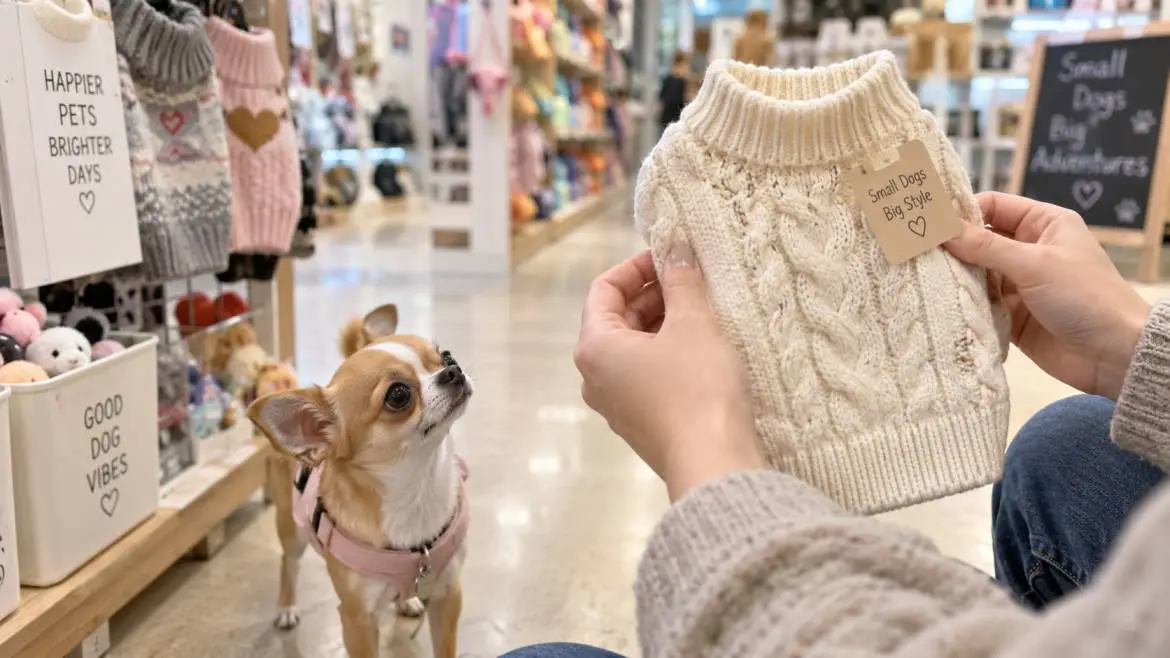
You’re standing in the pet aisle (or scrolling late at night), holding a tiny cable-knit sweater that would fit your dog perfectly. And you pause. Does she actually need this, or is it just for me because it’s adorable? It’s an honest question, and you’re not silly for asking it.
Here’s the short answer: Some dogs genuinely benefit from a sweater, and some really don’t. The trick is knowing which kind of dog you have, then choosing something that fits, keeps them warm, and doesn’t drive them nuts. Let’s walk through it together.
Key Takeaways
- Small, toy, thin-coated, hairless, senior, sick, and puppy dogs benefit most; healthy double-coated breeds like Huskies usually don’t.
- Most dogs are fine until temperatures drop into the mid-40s°F, and freezing weather can be risky for small or vulnerable dogs.
- Chest girth is the most important measurement, and sizing varies a lot between brands.
- Treat a sweater as outdoor, short-term wear, and take it off when your dog is unsupervised or crated.
- Your dog’s body language tells you whether a sweater is welcome or stressful.
Does Your Dog Actually Need a Sweater? Here’s What Vets Say
Let’s clear up the biggest myth first: a sweater isn’t just a costume. The American Kennel Club explains in its guide on whether your dog needs a sweater that most sweaters exist to keep dogs warm, and because they’re soft and don’t restrict movement, many dogs get used to them quickly. The same article is clear that you and your vet are the best judges, based on your climate and your dog’s breed, age, and health.
So how cold is “cold”? There’s no single magic number, but the vets at Taconic Veterinary Center and Partner Veterinary Emergency & Specialty both point to the mid-40s Fahrenheit as the range where cold-sensitive dogs start feeling uncomfortable, with freezing temperatures becoming genuinely risky for small, thin-coated, very young, or older dogs. Wind, rain, and snow make it feel colder still. On a dry, mild day, most dogs are perfectly comfortable in their own fur.
Which Breeds Benefit and Which Don’t
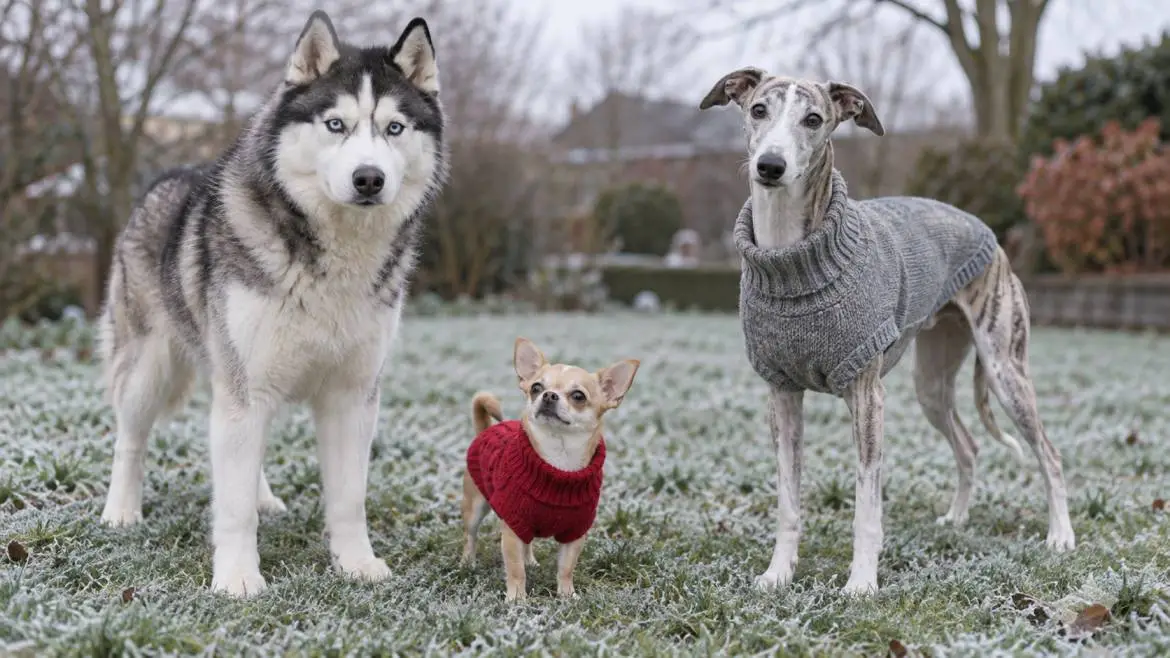
Some dogs basically come with a built-in parka. As Chewy’s vet-reviewed guide to winter sweaters and coats explains, double-coated northern breeds like Siberian Huskies, Alaskan Malamutes, and Newfoundlands have dense insulating coats and usually don’t need extra layers. Bundling them up can actually make them overheat.
The dogs who do tend to benefit include:
- Small and toy breeds like Chihuahuas, Yorkies, and Maltese, which lose body heat quickly because of their size.
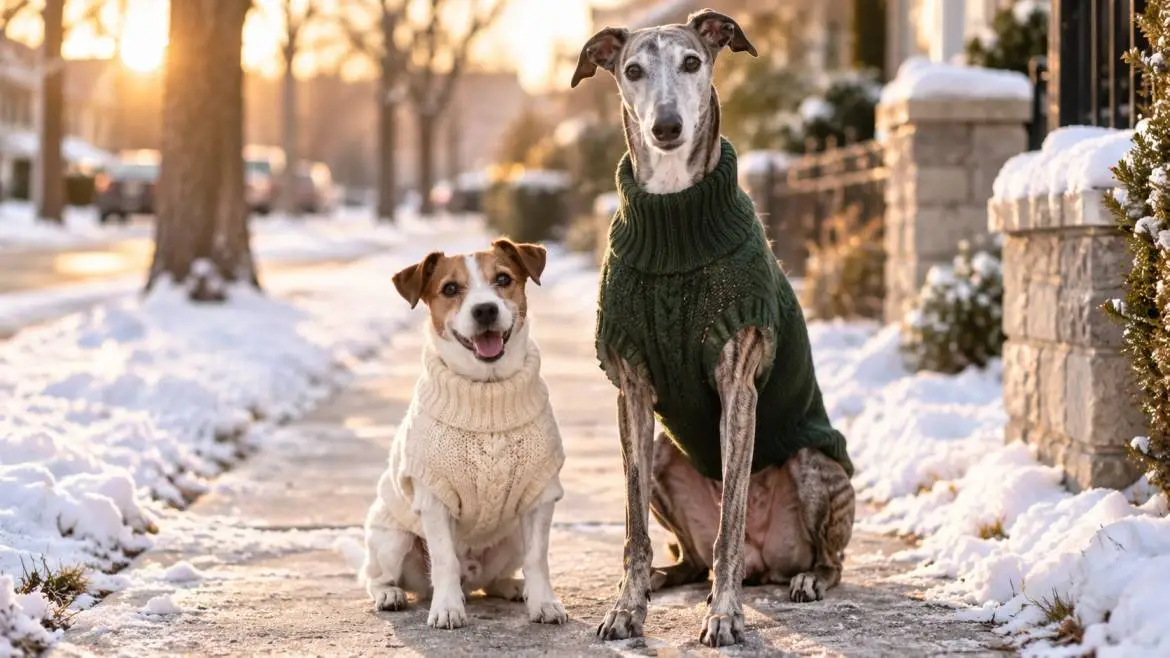
- Lean, short-coated breeds like Greyhounds, Whippets, and Italian Greyhounds, which have little fur or body fat to hold warmth.
- Hairless breeds such as the Chinese Crested.
- Low-to-the-ground dogs like Dachshunds, whose bellies sit close to cold, wet ground.
- Puppies, seniors, dogs recovering from illness or surgery, and dogs with freshly clipped coats.
If you want a deeper dive by breed, PetMD’s breakdown of which breeds need coats is a helpful read. And yes, big dogs can qualify too. A short-coated Greyhound or a lean rescue mutt can absolutely need a layer, even though “large dog” and “cold” don’t always seem to go together.
How to tell your dog is genuinely cold
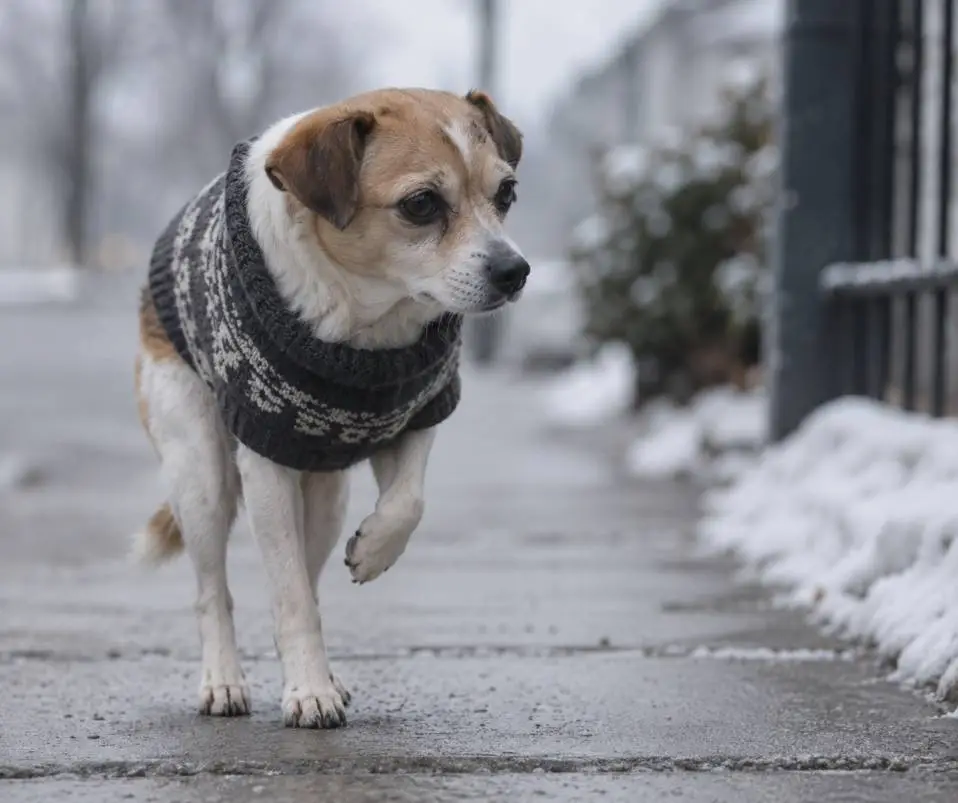
Dogs can’t say “I’m freezing,” but their bodies do. Watch for shivering, whining, slowing down or refusing to keep walking, a tucked tail, a hunched back, or lifting paws off the ground. CityVet’s winter sweater advice covers these cues well. If shivering turns into weakness or sluggishness, that can signal something more serious, and this overview of hypothermia in dogs explains when to warm your dog up and call your vet.
Is It Okay for a Dog to Wear a Sweater All Day?
This one surprises many first-time owners: generally, no. Think of a sweater as outdoor gear, not permanent clothing.
Indoors, in a heated home, most dogs will simply get too warm. Left on for long stretches, a sweater can also rub, cause matting, and trap moisture against the skin, which is why the team at DogHealth.com recommends regular breaks and checking the skin underneath. A wet sweater is worse than none at all, because damp fabric holds cold right against the body.
There’s a safety angle too. The AKC warns that unsupervised dogs can get tangled in their clothing and recommends removing sweaters before leaving your dog home alone or in a crate. Skip overnight wear and offer a cozy bed and blanket instead.
How to Measure: Your Dog Sweater Sizing Guide
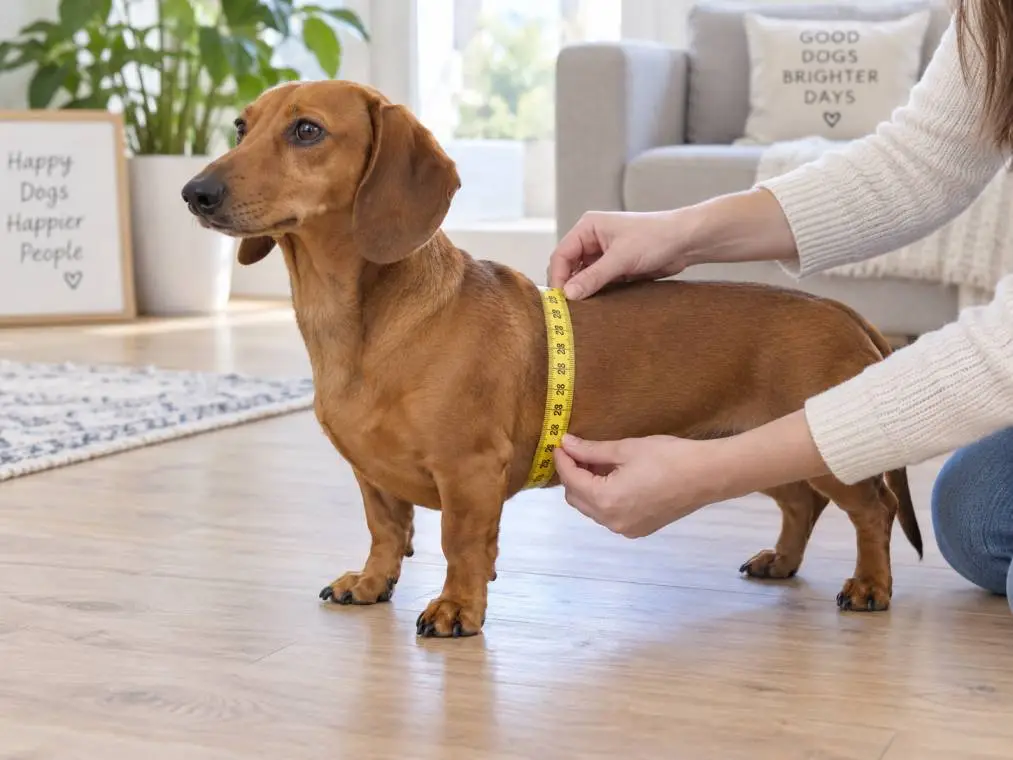
If you take away one thing from this guide, make it this: sizes are not standard between brands. A medium from one company can fit like a small from another, so grab a soft measuring tape and measure every time. Chilly Dog’s guide on choosing the right sweater size walks through the process step by step.
Three measurements matter most:
- Chest girth: wrap the tape around the widest part of the ribcage, just behind the front legs. A sweater that’s tight here is the top reason dogs refuse to wear one.
- Back length: measure from the base of the neck to the base of the tail, and avoid sweaters that run past the tail and get in the way of potty breaks.
- Neck girth: measure where a collar naturally rests. Keep that number handy, because it’s the same measurement you’ll need when you shop for an everyday collar that fits properly.
Then use the two-finger rule: you should be able to slip two fingers between the sweater and your dog. Snug, not tight. If your dog lands between sizes or has a fluffy coat, size up. Check for a harness hole if you walk on a harness, and look for a shorter belly cut for male dogs.
Deep-chested breeds like Greyhounds, Boxers, and Pit Bull types are trickier, because weight alone won’t tell you much. Trust the chest number over the label’s weight range. This fit guide for deep-chested dogs is written for harnesses, but the measuring advice carries over nicely to sweaters.
| Size | Approx. weight | Chest girth | Back length | Example breeds |
|---|---|---|---|---|
| XXS / XS | 2–8 lbs | 10–13 in | 8–10 in | Chihuahua, teacup breeds |
| S | 8–15 lbs | 14–17 in | 10–13 in | Yorkie, Maltese, Pomeranian |
| M | 15–25 lbs | 18–21 in | 13–16 in | Pug, Frenchie, Boston Terrier |
| L | 25–45 lbs | 22–25 in | 16–20 in | Corgi, Beagle, Whippet |
| XL | 45–70 lbs | 26–29 in | 20–24 in | Labrador, Greyhound, or Pit Bull type |
| XXL / 3XL | 70+ lbs | 30–34+ in | 24+ in | Rottweiler, Doberman, and giant breeds |
Materials and Features to Look For in a Warm Winter Dog Sweater
Material affects warmth, washability, and whether your dog feels cozy or itchy. Here’s the honest rundown.
- Wool and merino: the warmest choice, and wool keeps insulating even when a little damp. Soft merino is kinder to sensitive skin than coarse wool.
- Acrylic: soft, affordable, durable, and machine-washable. It’s not as warm as wool and holds moisture, so it suits dry cold better than wet snow.
- Fleece: light, stretchy, easy to pull on, and great as an everyday layer.
- Cotton: breathable for mild days, but it soaks up water and loses warmth when wet.
- Water-resistant or double-layer: the best bet for snowy walks and long outdoor time.
A few practical details make a big difference. Easy-on designs (pullover stretch or hook-and-loop closures) mean less wrestling. Skip dangling buttons, pom-poms, and loose trim a curious dog could chew off and swallow. And wash sweaters regularly, since they collect skin oils and dirt that can irritate the skin.
For small dogs, a soft fleece or light knit is usually plenty. For large or short-coated dogs facing real winter, lean toward wool or a thick double-layer knit.
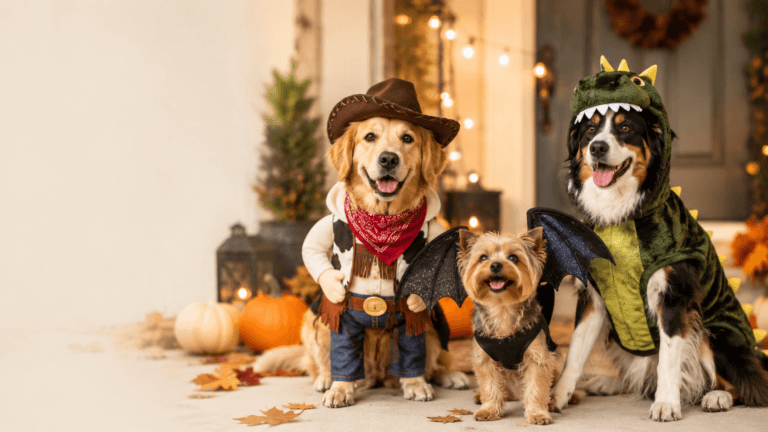
One more thing worth knowing: a warm knit and a photo-ready outfit aren’t always the same purchase. If holiday pictures are on your mind, our guide to dog Christmas costumes and photo outfits covers the festive side, while this guide sticks to what actually keeps your dog warm on a cold walk.
Best Small Dog Sweater and Large-Breed Picks
Gooby Stretch Fleece Vest: best easy-on pick for small to large dogs
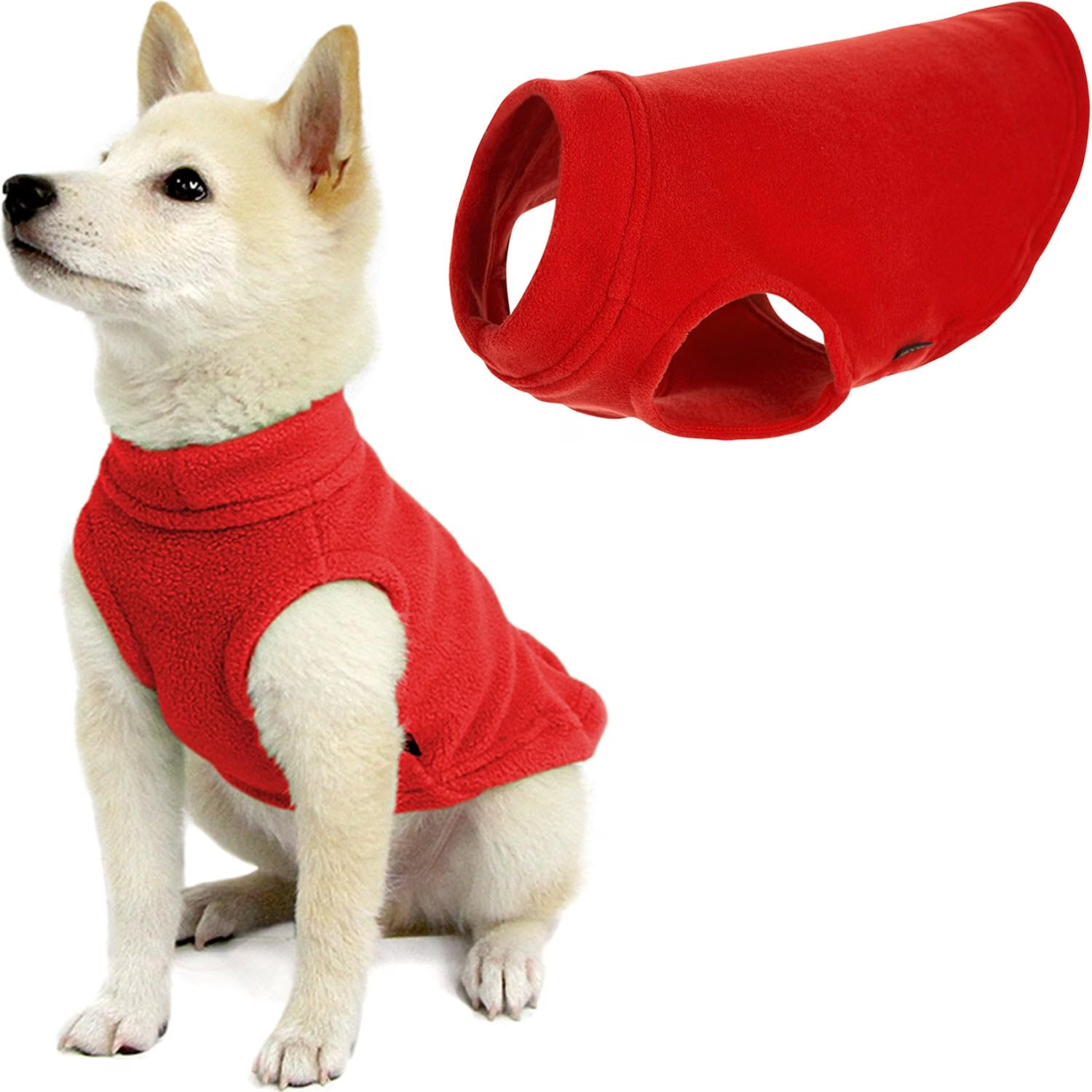
This zipper-free pullover is one of the most-reviewed dog sweaters on Amazon, with a 4.6-star average from more than 12,000 ratings and a spot near the top of the Dog Sweaters category. It stretches in four directions, covers the belly, has a leash ring on the back, and comes in a wide size range. Reviewers love how easily it slips on. The trade-off: it’s a light layer, better for everyday chill or under a coat than deep cold.
Check the price on Amazon.
Kuoser Plaid Cable Knit Turtleneck: classic winter look for small and medium dogs
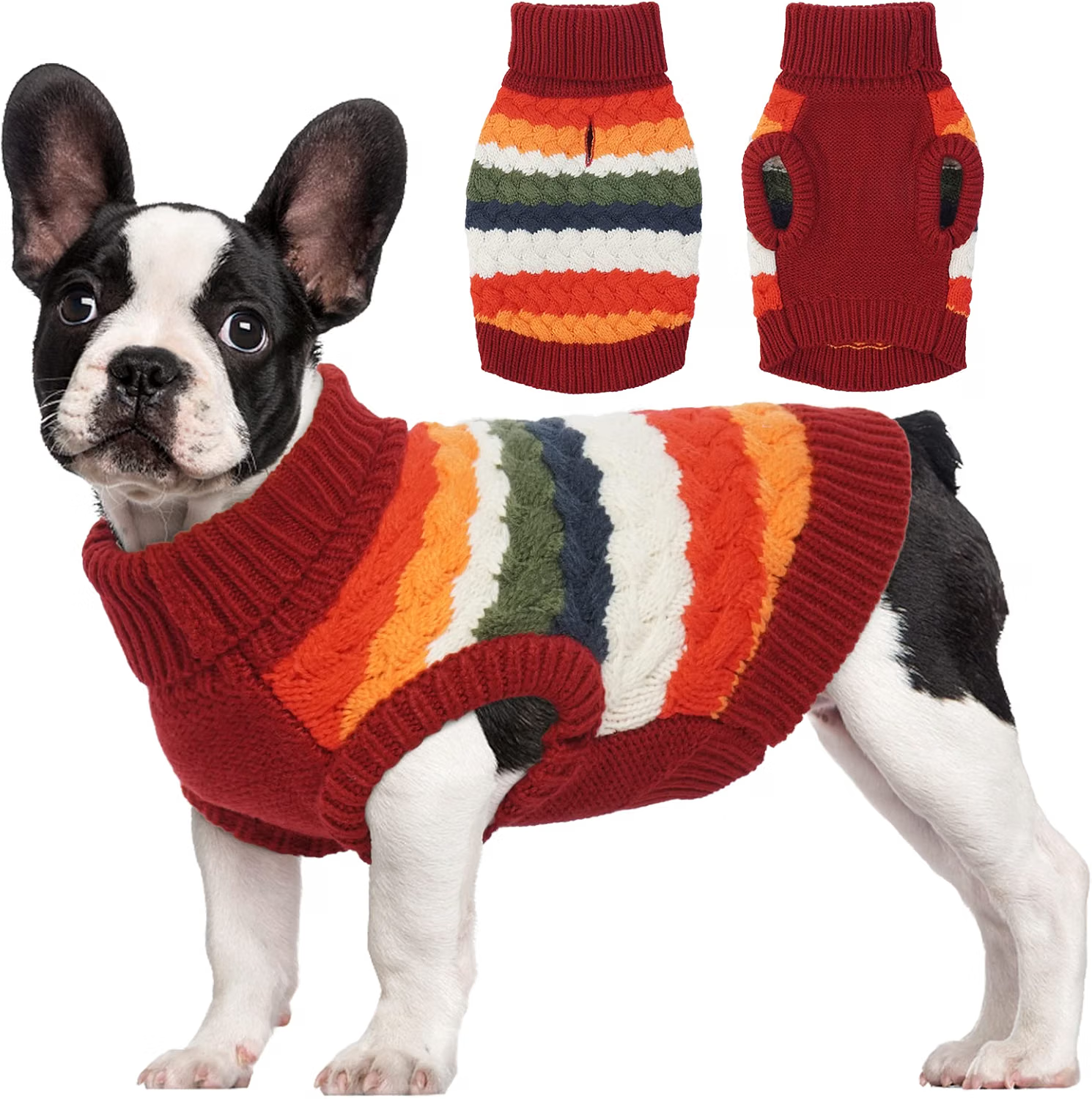
Made from dense acrylic yarn with a harness hole in the back, this turtleneck comes in sizes for small and medium dogs and is machine washable. You can see full details and the size chart on the Kuoser product page. Shoppers like the cozy, festive plaid; the main watch-out is a slim fit, so measure the chest and consider sizing up.
Check the price on Amazon.
KOOLTAIL Cable Knit Snowflake Turtleneck: warm knit for small, medium, and large dogs
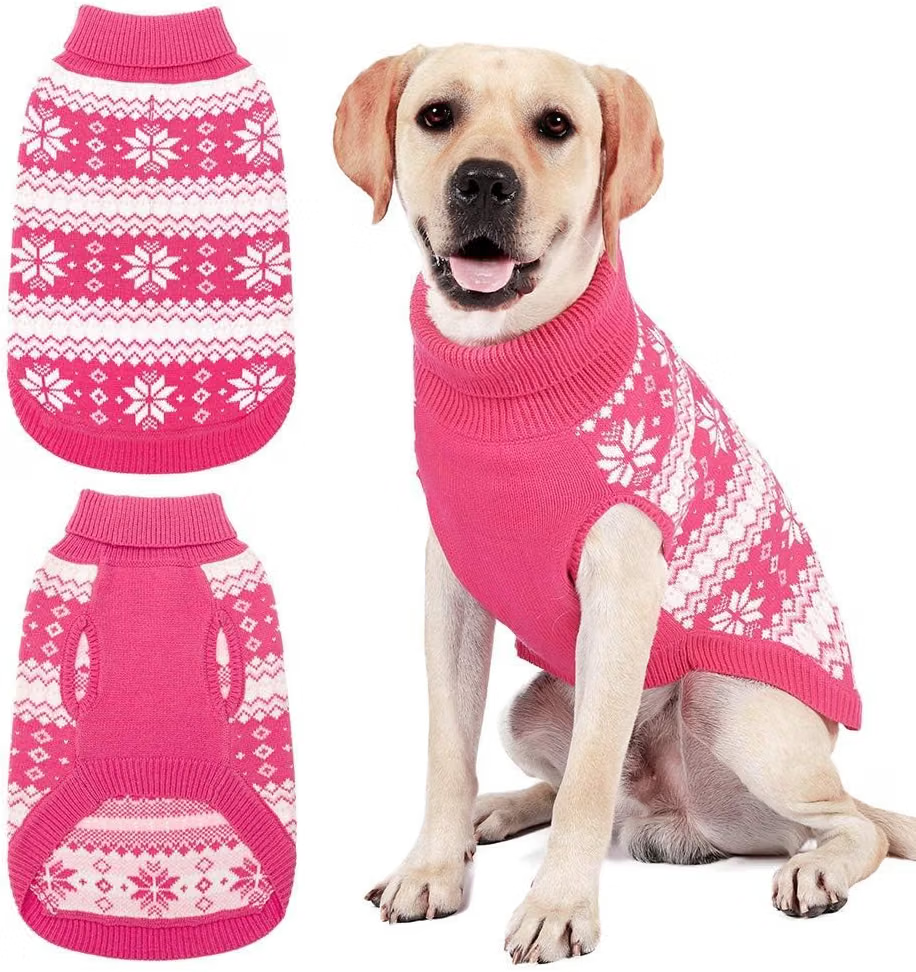
This thick cable knit holds a 4.5-star average across roughly 1,100 ratings and comes in sizes for small through large dogs. Reviewers describe it as soft and genuinely warm, and it’s a nice middle ground for dogs who need real warmth without a heavy coat.
Check the price on Amazon.
Chilly Dog Natural Cable Knit: premium wool pick for large and barrel-chested dogs
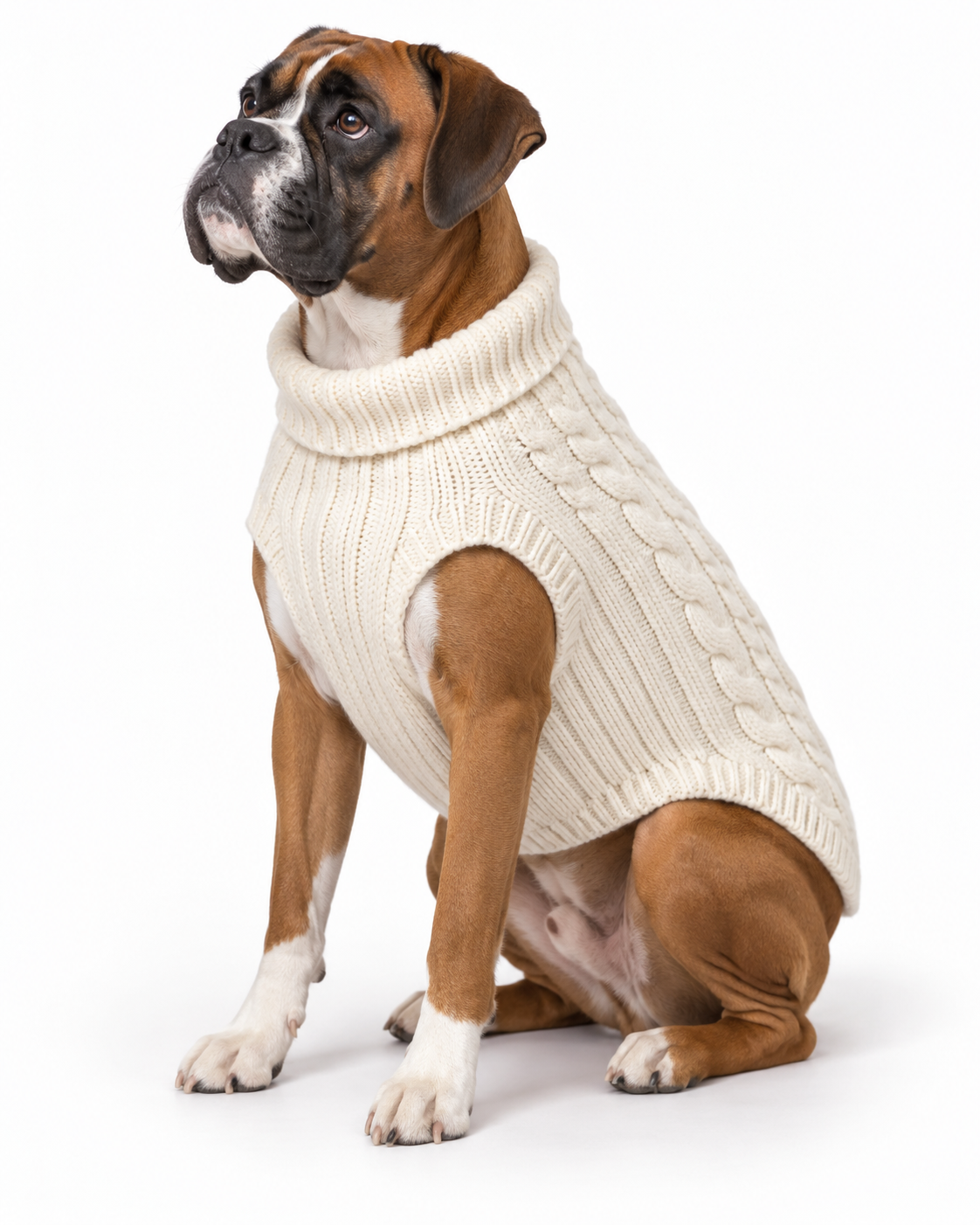
If you want natural warmth, Chilly Dog’s hand-knit wool sweaters are sized from tiny dogs all the way up to giant breeds, with enough stretch to suit broad-chested dogs. They cost more than acrylic knits, but wool’s warmth makes them worth considering for cold climates and short-coated big dogs. I couldn’t confirm this listing’s current star rating, so read the latest reviews first.
Check the price on Amazon.
Jecikelon Soft Puppy Sweater: budget pick for small dogs
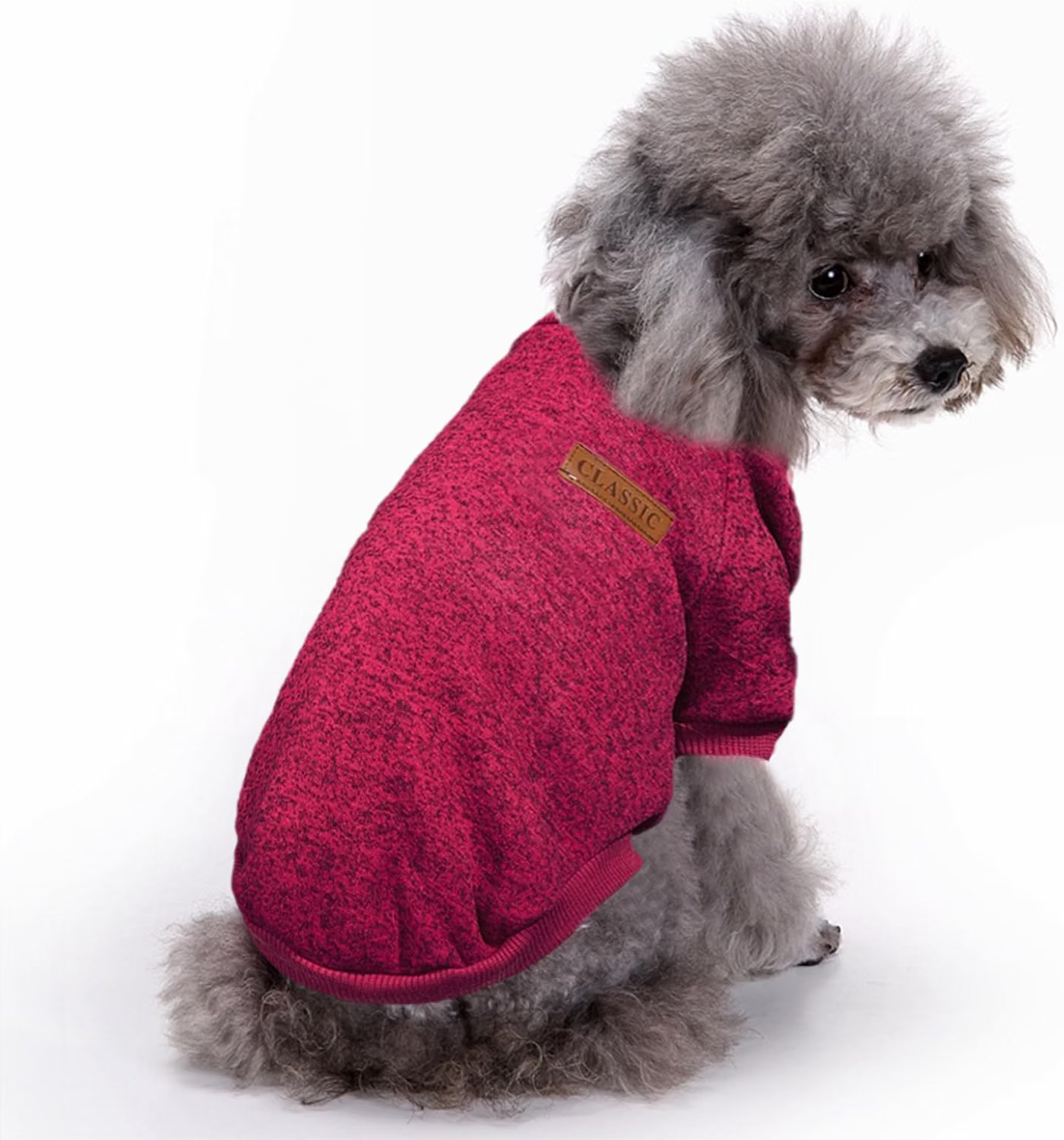
This simple, soft pullover is one of the most-reviewed small dog sweaters on Amazon and sits near the top of the Dog Sweaters category. It’s machine washable, comes in lots of colors, and starts at extra-extra-small sizes. Owners like the value; the main complaint is that not every size has a harness hole, so check before ordering.
Check the price on Amazon.
Fitwarm 3-Pack Classic Fleece Turtleneck: best multipack value
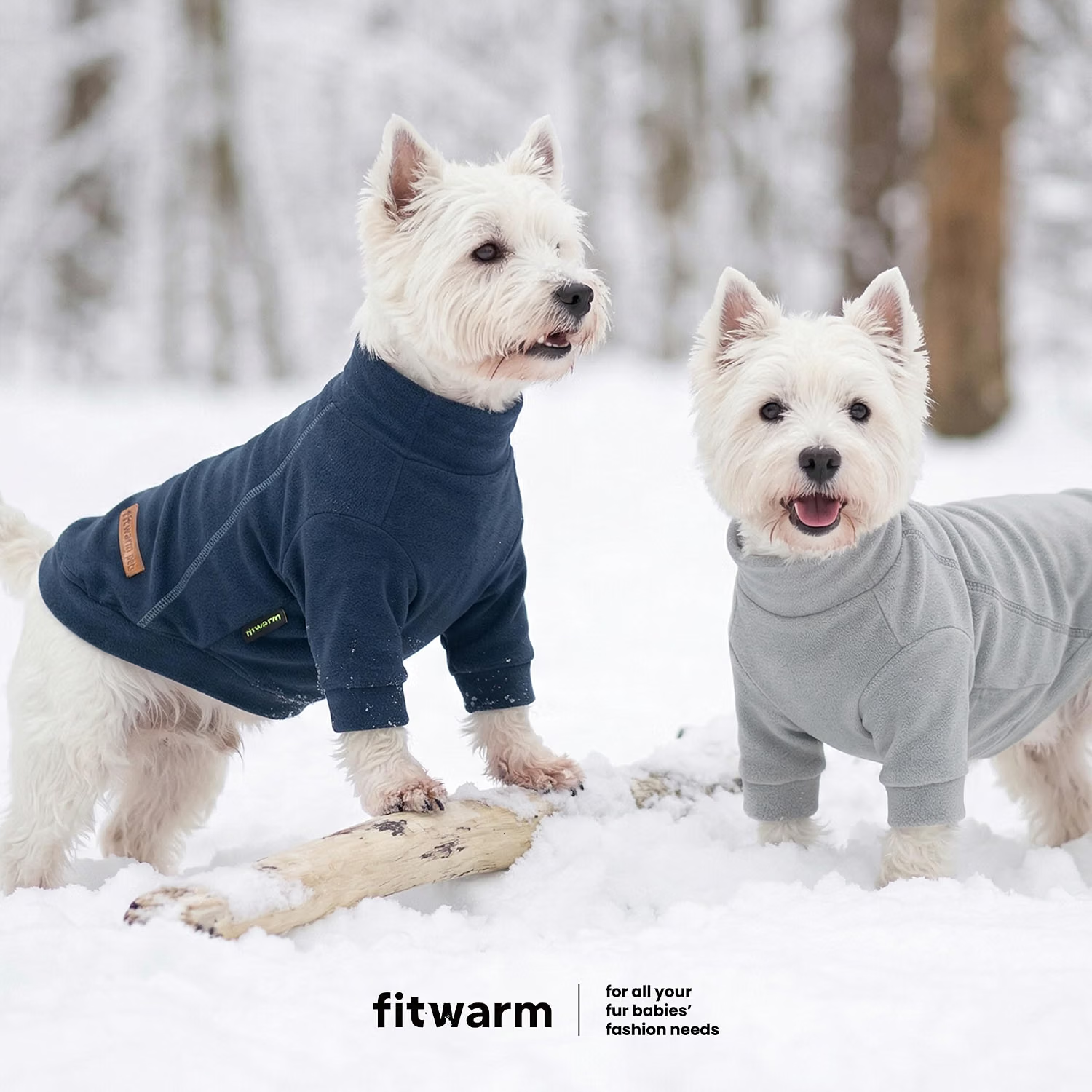
Because sweaters need frequent washing, a multipack is a smart buy. This Fitwarm set is a stretchy fleece blend in a turtleneck style, and three colors in one order means you always have a clean one ready. Confirm the rating and size chart for your exact color and size.
Check the price on Amazon.
Do Dogs Like Wearing Sweaters, and How Do You Introduce One?
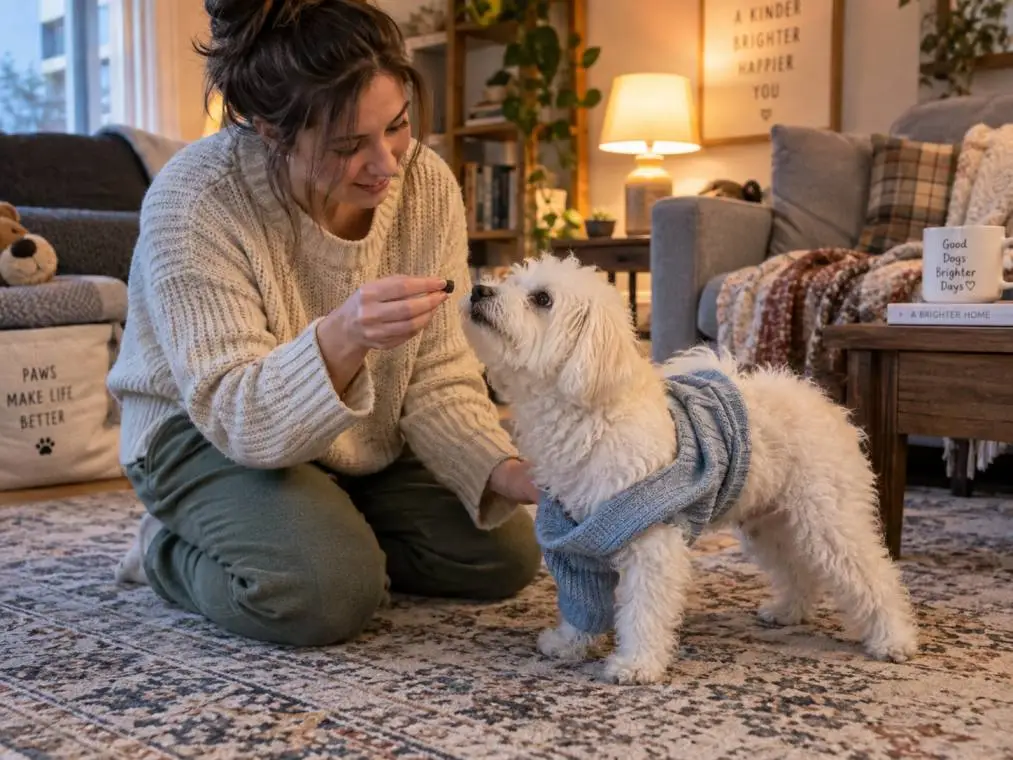
Honestly? It depends on the dog. Some light up when the sweater comes out. Others freeze, and a dog standing perfectly still isn’t always “being good.” Sometimes it’s a sign of stress.
The same rules apply to any outfit, which is why we go through comfort and fit checks in our guide to the best dog Halloween costumes too. A sweater is easier on most dogs than a full costume, since there’s no hood, no headpiece, and nothing near the face.
Signs your dog is comfortable: a loose body, a relaxed tail, and normal movement like sniffing, sitting, and trotting along. Signs to take it off: a stiff or frozen posture, ears pinned back, a tucked tail, lots of lip-licking or yawning, or pawing and biting at the fabric.
To introduce a sweater, go slowly, just as the AKC recommends. Let your dog sniff it first and reward it with a treat. Slip it on for a minute or two, pair it with play or a snack, then take it off. Build up the time over several days. If your dog never warms up to it, that’s okay. Some dogs just aren’t sweater dogs.
DIY Dog Sweater: Free Patterns and the Best Yarn
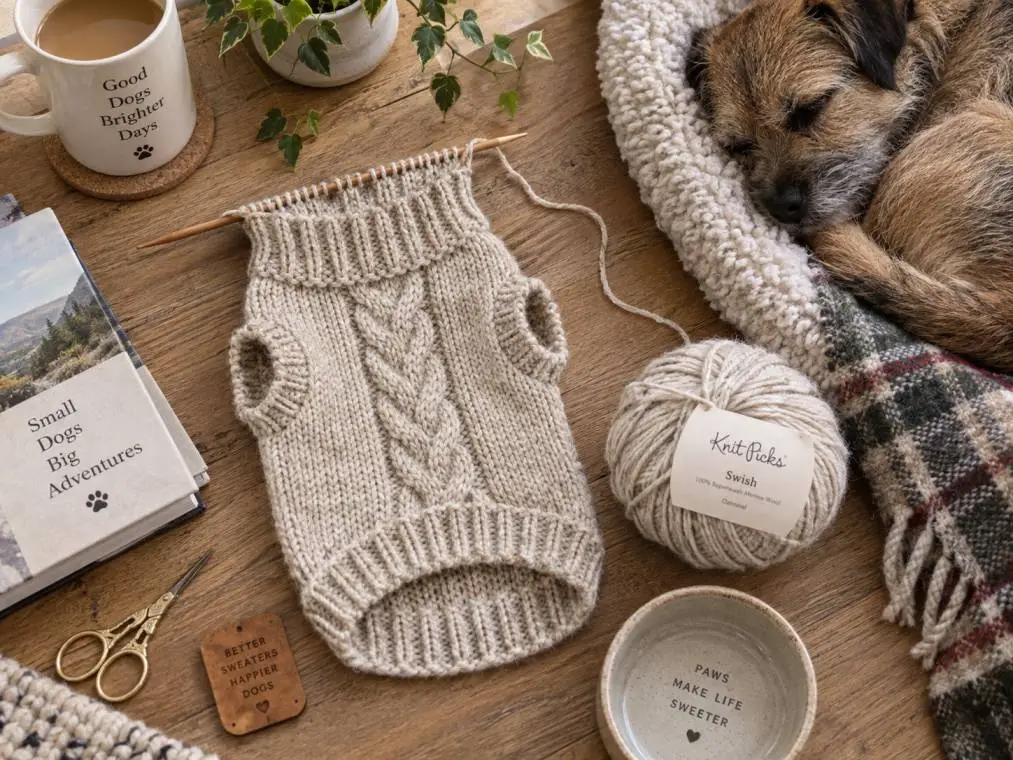
Feeling crafty? A handmade sweater is a lovely project. Lion Brand’s free knit and crochet patterns for pets are a great place to start, and their Year of the Dog Sweater pattern uses bulky yarn in several sizes, so it knits up quickly even for beginners.
For yarn, choose something machine-washable, durable, and soft against the skin. Superwash wool gives you wool’s warmth without the risk of felting in the washer. Wool-acrylic blends are a good middle ground, and plain acrylic is the budget-friendly, hard-wearing option. Skip scratchy yarns for hairless or sensitive dogs.
Measure your dog as described above, knit a small gauge swatch so your sizing comes out right, and add stretchy ribbing at the neck and hem for comfort.
Frequently Asked Questions
Do vets recommend dog sweaters?
For the right dogs, yes. Sweaters are commonly recommended for small and toy breeds, thin-coated and hairless breeds, puppies, seniors, and dogs with health issues or clipped coats. They’re generally unnecessary for healthy double-coated breeds, which can overheat.
Is it okay for my dog to wear a sweater all day?
Usually not. A sweater works best as outdoor, short-term wear. All-day use, especially indoors, can cause overheating, rubbing, matting, and trapped moisture. Give breaks and remove it when your dog is unsupervised, crated, or sleeping.
Do dogs like being dressed up?
Some do and some don’t. It depends on the individual dog and how clothing is introduced. Read body language, use treats and praise, and never force it.
Is there a free pattern for making a dog sweater?
Yes. Lion Brand offers a collection of free knit and crochet dog sweater patterns for different sizes and skill levels.
What type of yarn is best for dog sweaters?
Machine-washable, durable yarn. Superwash wool offers warmth and easy care, wool-acrylic blends balance the two, and acrylic is the most budget-friendly.
What is the best dog sweater?
There isn’t one universal best. The best sweater fits your dog’s chest correctly, suits your climate, and is one your dog will happily keep on.
The Bottom Line
Remember that moment in the aisle, wondering whether the sweater was for your dog or for you? Now you know how to answer it. If you have a shivering Chihuahua, a lean Greyhound, a senior with stiff joints, or a short-coated big dog heading into real winter, a well-fitted sweater is a genuine kindness. If you have a happy, healthy Husky, let that coat do its job.
Measure the chest, match the material to your weather, watch the body language, and treat the sweater as outdoor gear. Do that, and cute and practical stop being a trade-off.
Your turn: what breed do you have, and how did their first sweater go? Instant love or total refusal? Tell us in the comments, because we read every one.
If you want to keep going, browse our dog essentials and accessories guides for more first-time owner advice. And if there’s a cat in the house too, our honest guide to Halloween costumes for cats takes the same measure-first, comfort-first approach.